
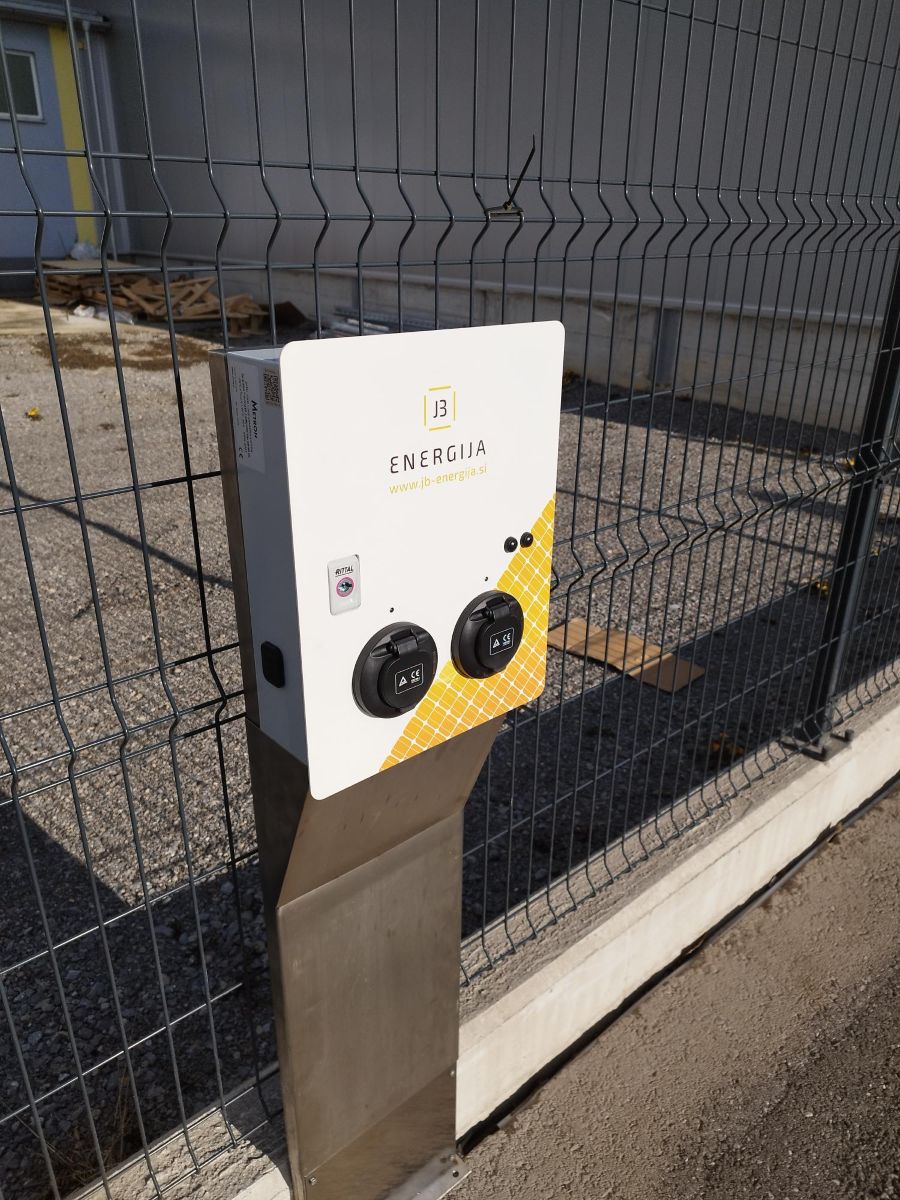
Charge your electric vehicle with your own electrical energy from RES
An electric vehicle charging station connected to a solar power plant and a battery energy storage system enables the cheapest charging: with your own generated electrical energy and dynamic load management that protects the building’s grid connection. JB energija designs and installs charging stations for homes and businesses, as well as solar carports that turn a car park into a generating resource.
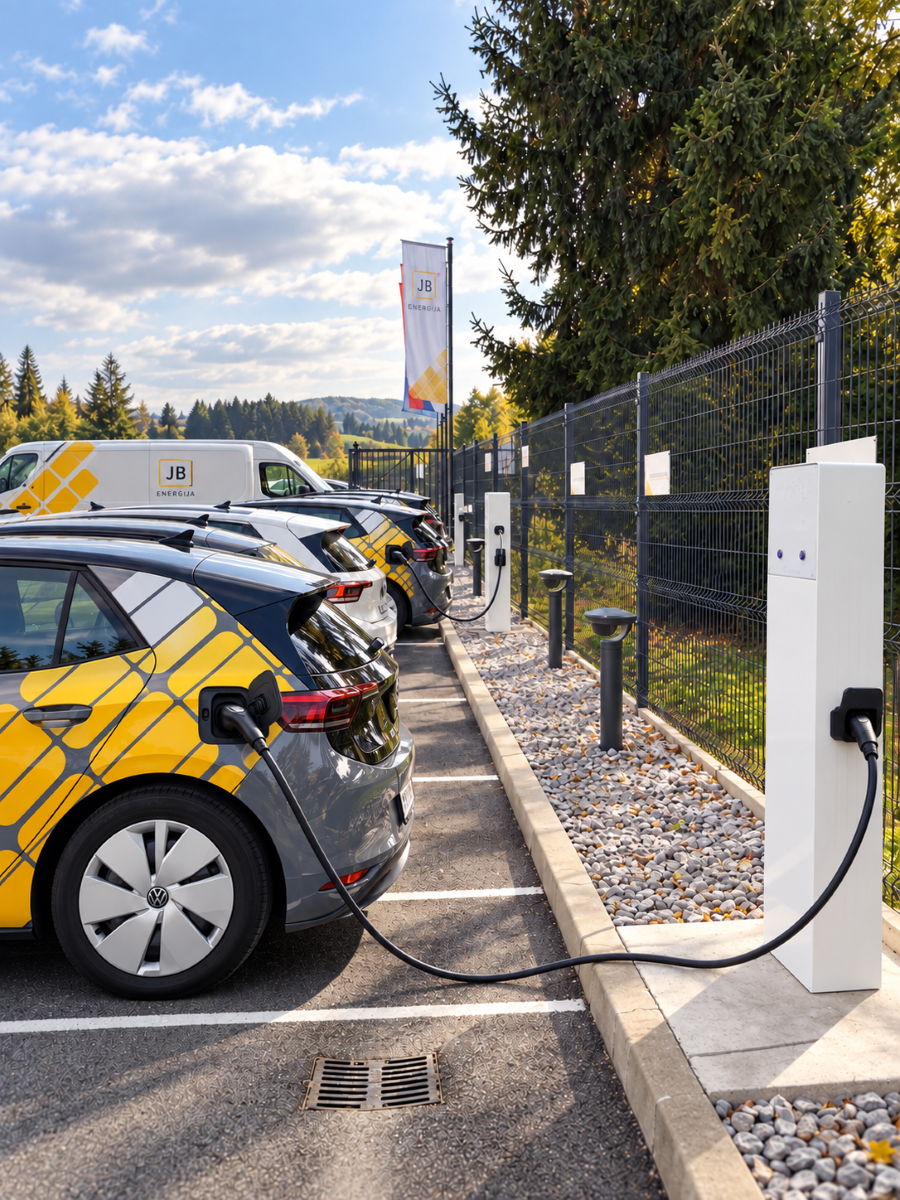
At our company, 90% of the vehicle fleet is electric, charged from our own charging stations and our own solar power plant on the roofs of our office and warehouse building.
- Dynamic load management
- Charging with surpluses from the solar power plant
- AC and DC charging stations
- Charging billed per user
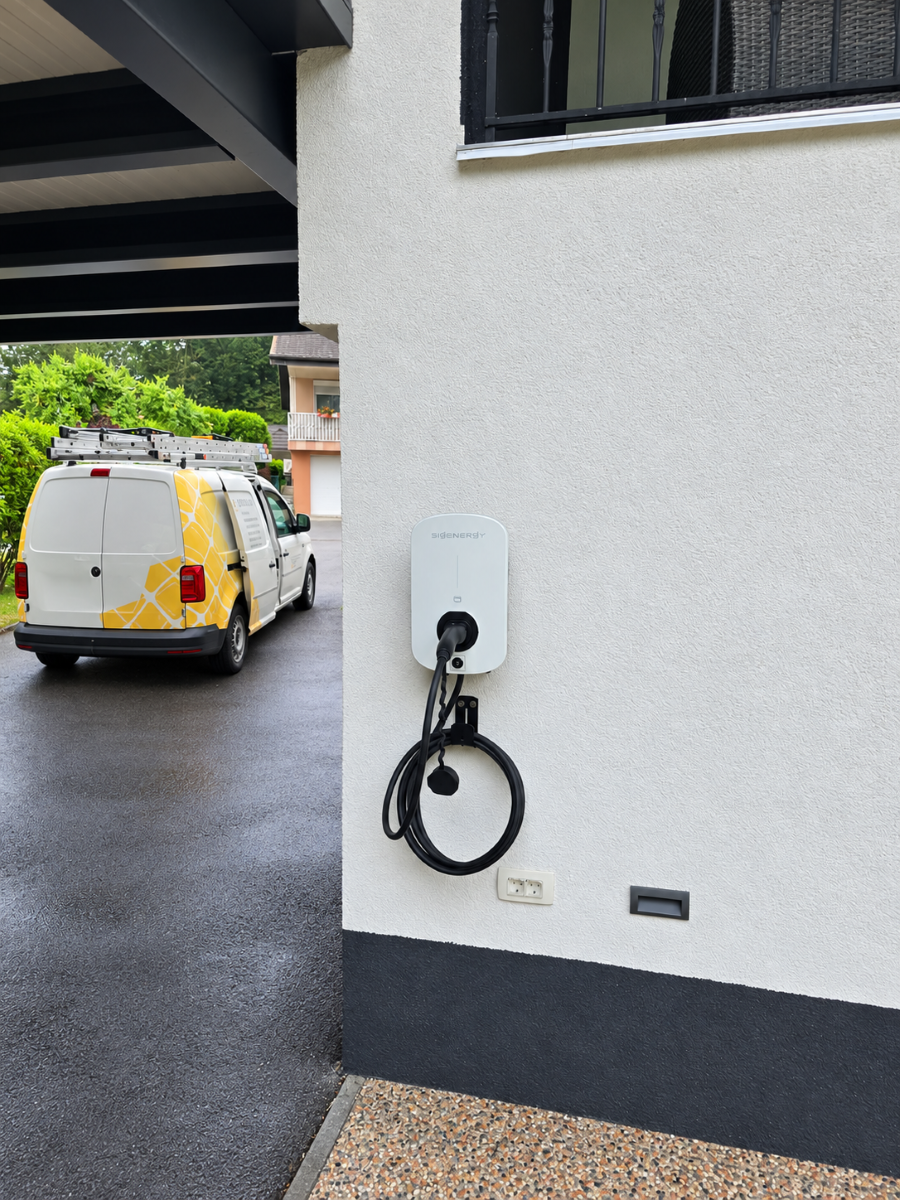
AC or DC charging station – which do you need?
Electric vehicle charging stations are divided into AC (alternating current) and DC (direct current) stations.
AC charging stations rated at 7.4 kW (single-phase), 11 kW or 22 kW (three-phase are the standard for the home and for charging company vehicles overnight or during the working day they charge a vehicle with typical consumption in a few hours. DC charging stations enable fast charging in a few dozen minutes and make sense for vehicle fleets with high utilisation, logistics, and locations where guests or customers park for a shorter time. We show which combination is right for you with an analysis of your vehicle fleet and the available connection capacity.
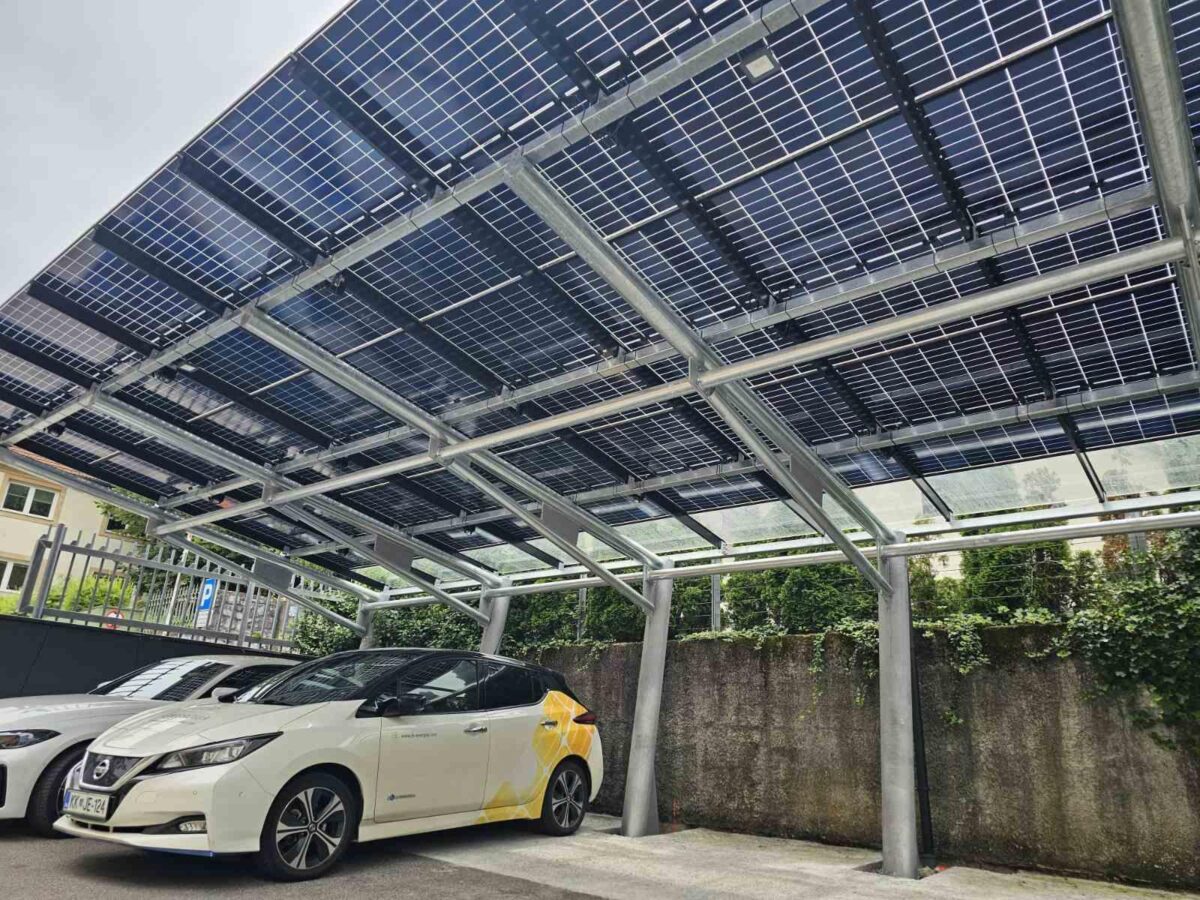
Solar carports: a car park that generates electricity
A solar carport combines three functions: it protects vehicles from sun and hail, the carport roof with photovoltaic modules generates electrical energy, and the built-in charging stations direct it straight into the vehicles. For businesses, it is a way of turning unused car parks into a generating resource without touching the building’s roof; for the home, it is an elegant solution when the roof of the house is not suitable for a solar power plant. We take care of everything: structural design and construction, the photovoltaic system, the charging stations and the connection to an existing power plant and battery energy storage system.
More than a parking space
Your own energy generation
Harness solar energy on the area you already use for parking. You can use the generated electrical energy in the building or for charging vehicles.
Vehicle protection
The carport roof protects vehicles from sun, rain, snow and hail.
Charging under the carport
The option of an integrated charging station brings electricity generation and electric mobility together in one place.
Modern architectural look
The minimalist structure blends in with the modern architecture of family houses and commercial buildings.
Modular design
We adapt the configuration to the number of vehicles and the space. The modular system allows adaptation and expansion.
One vehicle. Two vehicles. Or an entire car park.
Choose a configuration according to your space and needs. Modular versions allow adaptation and expansion; we confirm the final layout and capacity when planning your site.
For one vehicle
3.6 kWp
2 support columns
For two vehicles
6 kWp
3 support columns
For three or more vehicles
9.6 kWp
4 support columns
A well-thought-out whole, down to the last detail
Photovoltaic modules
The carport roof becomes a surface for generating your own electrical energy.
Charging station
We include the charging station in the carport design and connect it to the building’s electrical system.
Integrated LED lighting
Lighting under the carport completes the whole and makes the parking space easier to use in the evening.
Galvanised and painted structure
The structure combines a protective finish with a tidy architectural look.
A charging station that works with your building
Dynamic load management
The charging power adapts to the building’s current consumption and the capacity of the grid connection.
Charging with solar energy
The control system can direct available surpluses from the solar power plant into the vehicle.
Overview by user
Authorisation with an RFID card or app and a back-end system make it possible to record charging sessions per user.
Connection to a storage system
Where needed, we integrate the carport and charging stations into a system with a battery energy storage system.
From the first sketch to a plugged-in vehicle
Site visit and needs
We review the car park, the number of vehicles, how it is used and the available connection capacity.
Design and sizing
We determine the carport configuration, the photovoltaic system, and the type and power of the charging stations.
Structural design and documentation
We prepare the structural calculations and the required documentation according to the design and the site.
Installation and connection
We build the structure and install the photovoltaic system and charging stations, and connect everything to the building.
Commissioning and support
We set up the control system, show you how to use it and provide ongoing service support.
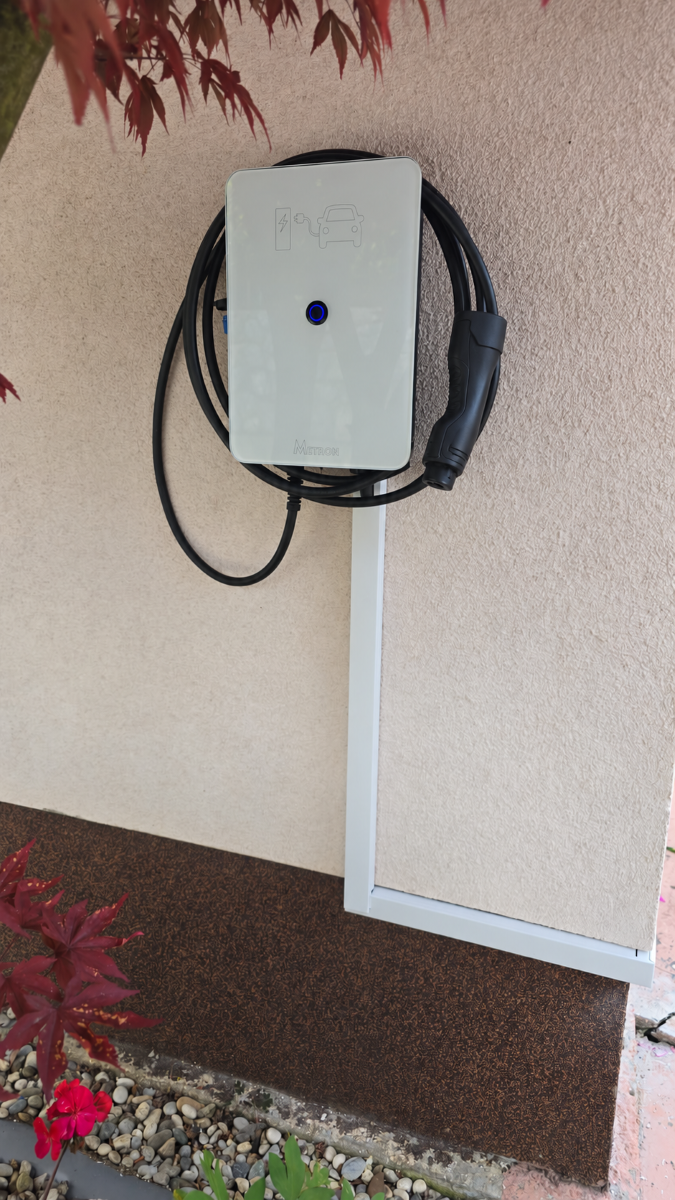
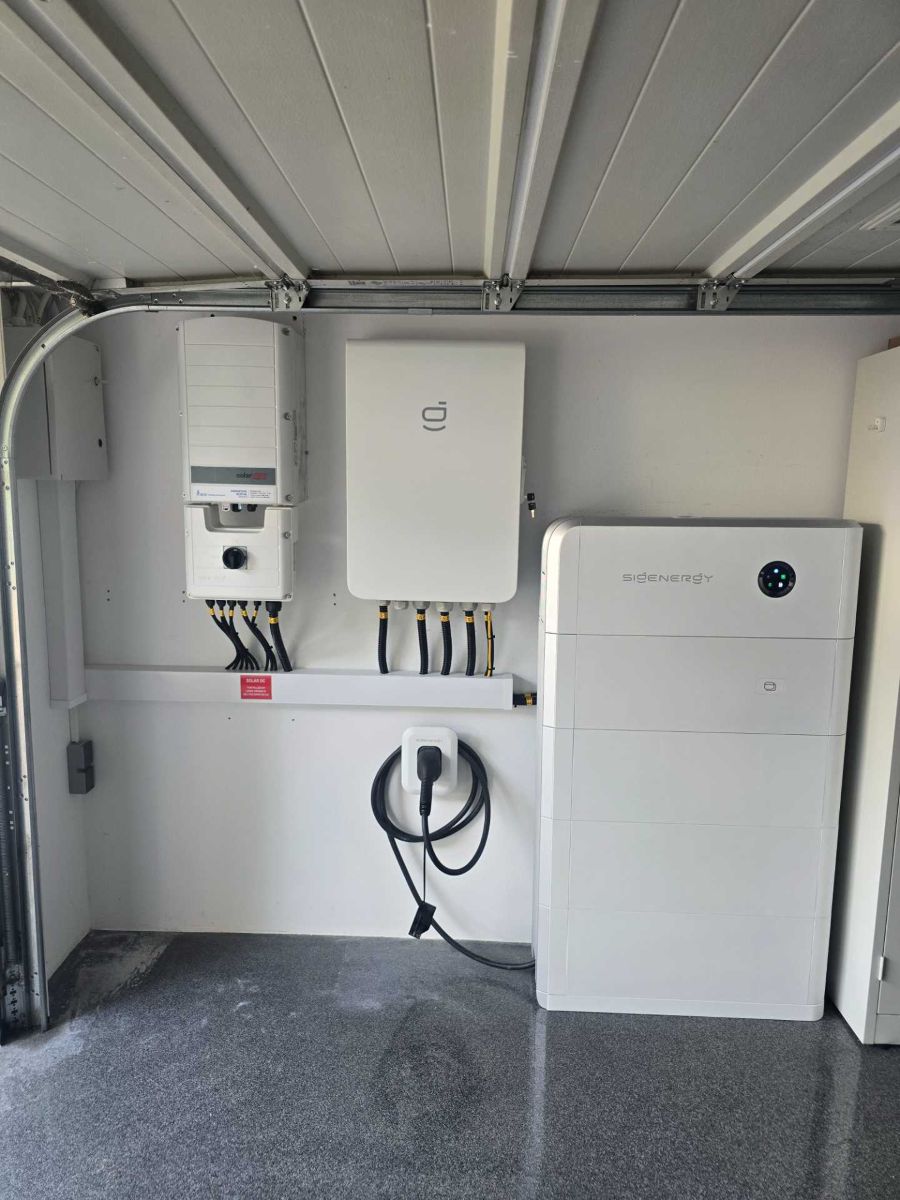
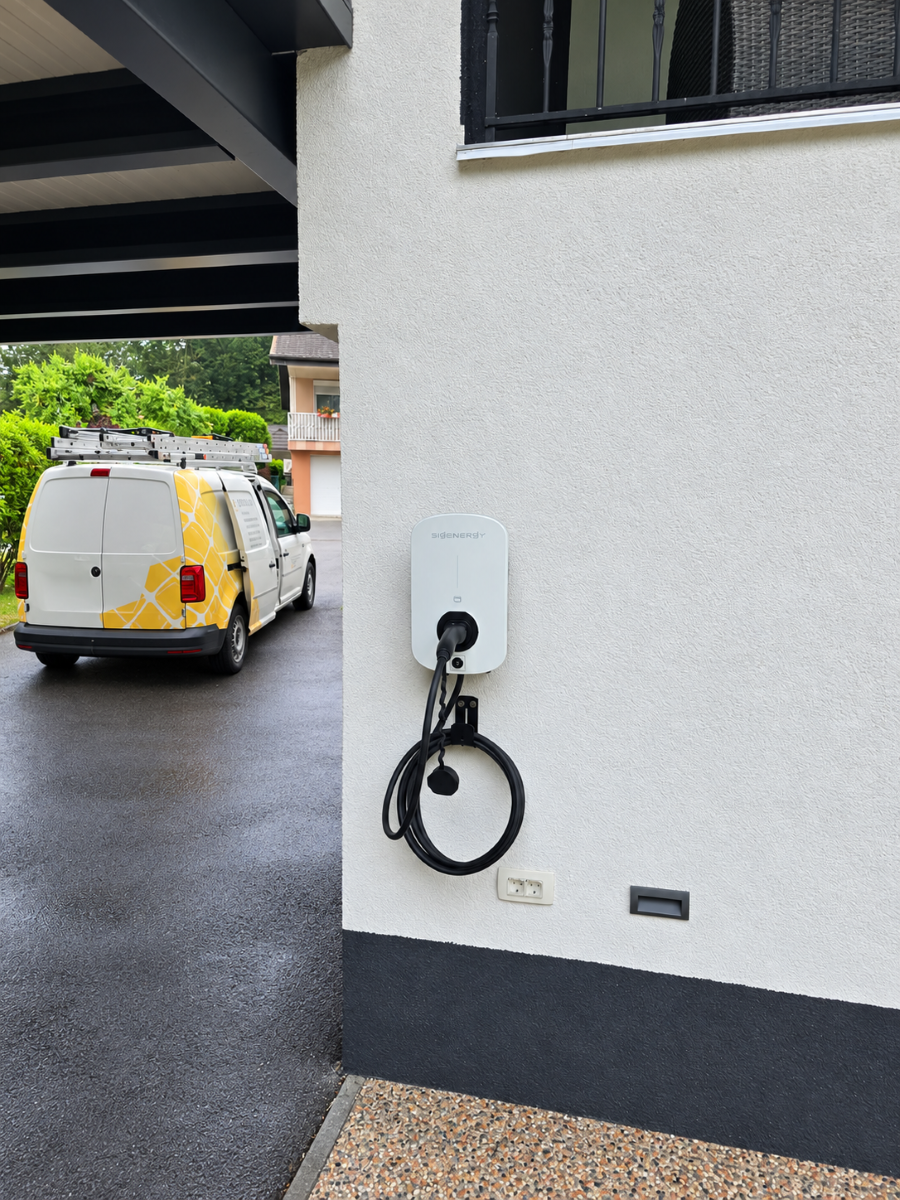
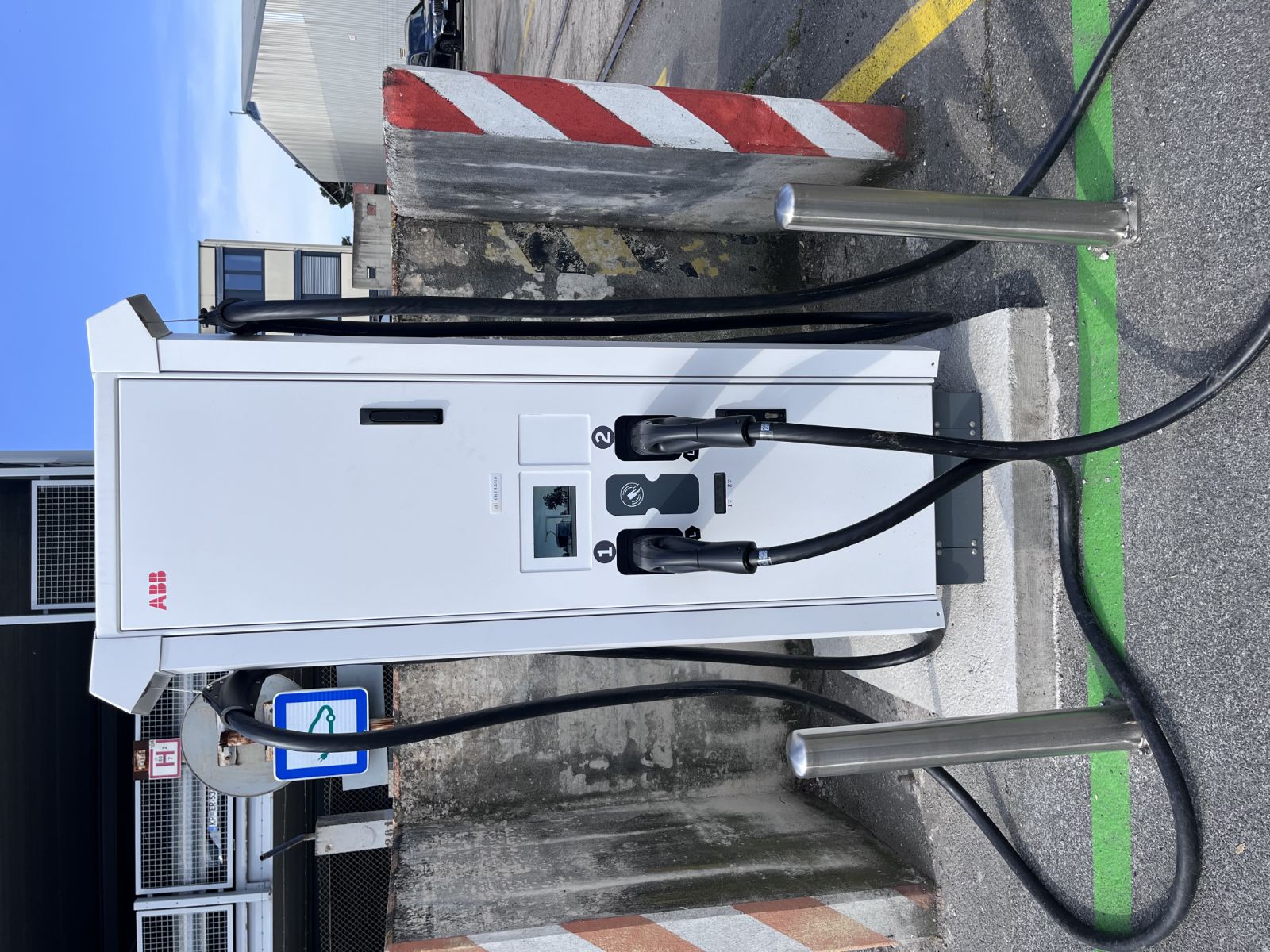
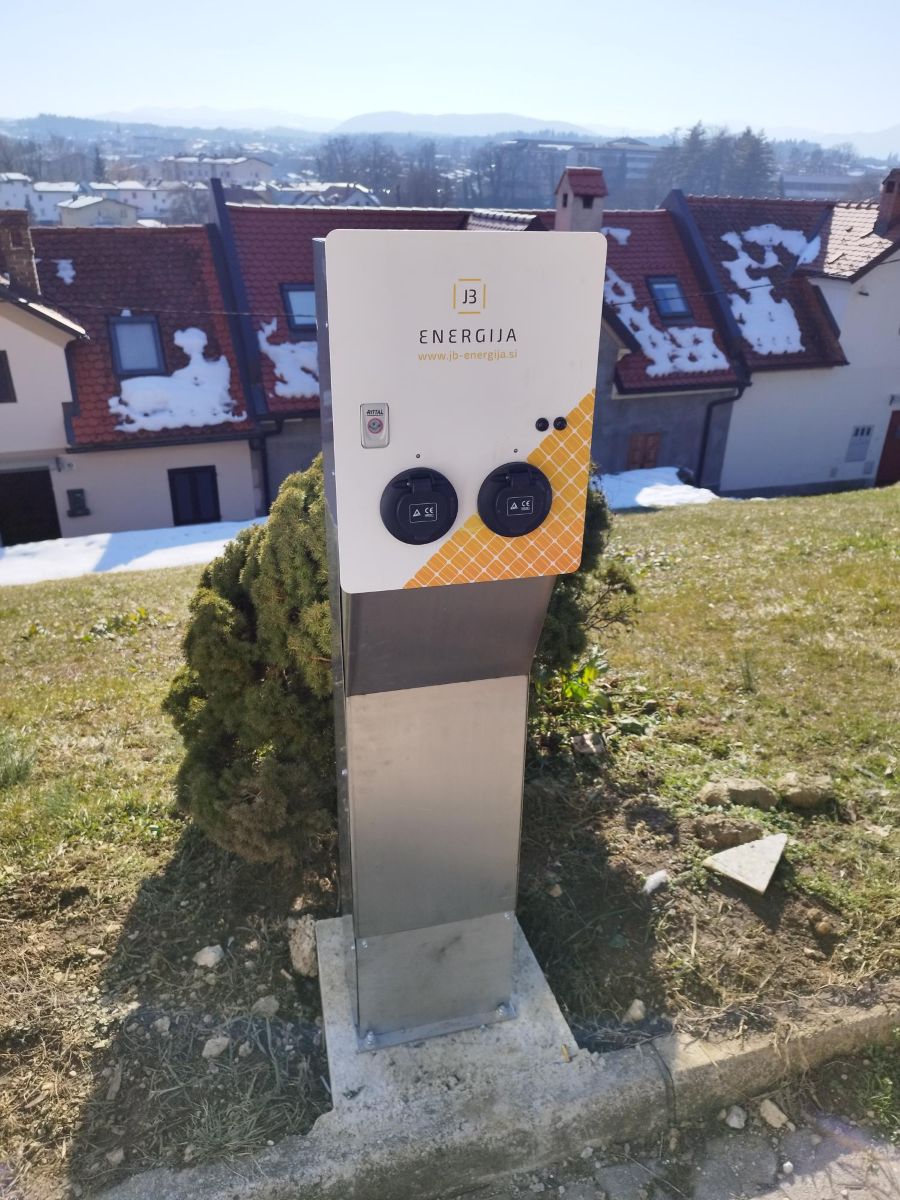
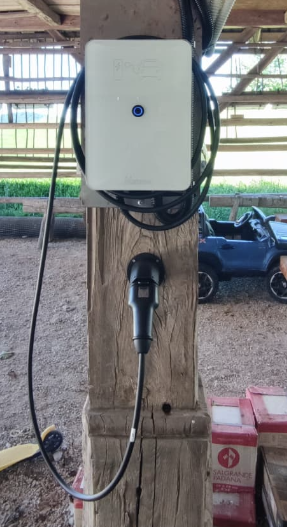
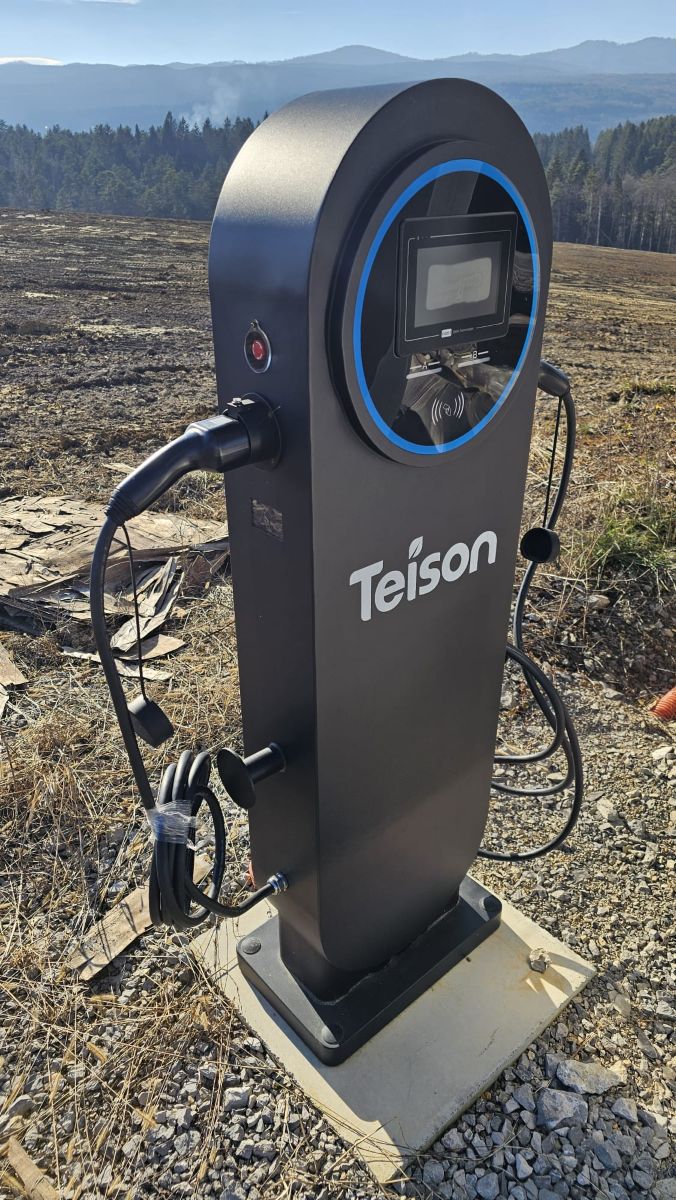
Delivered charging stations and solar carports
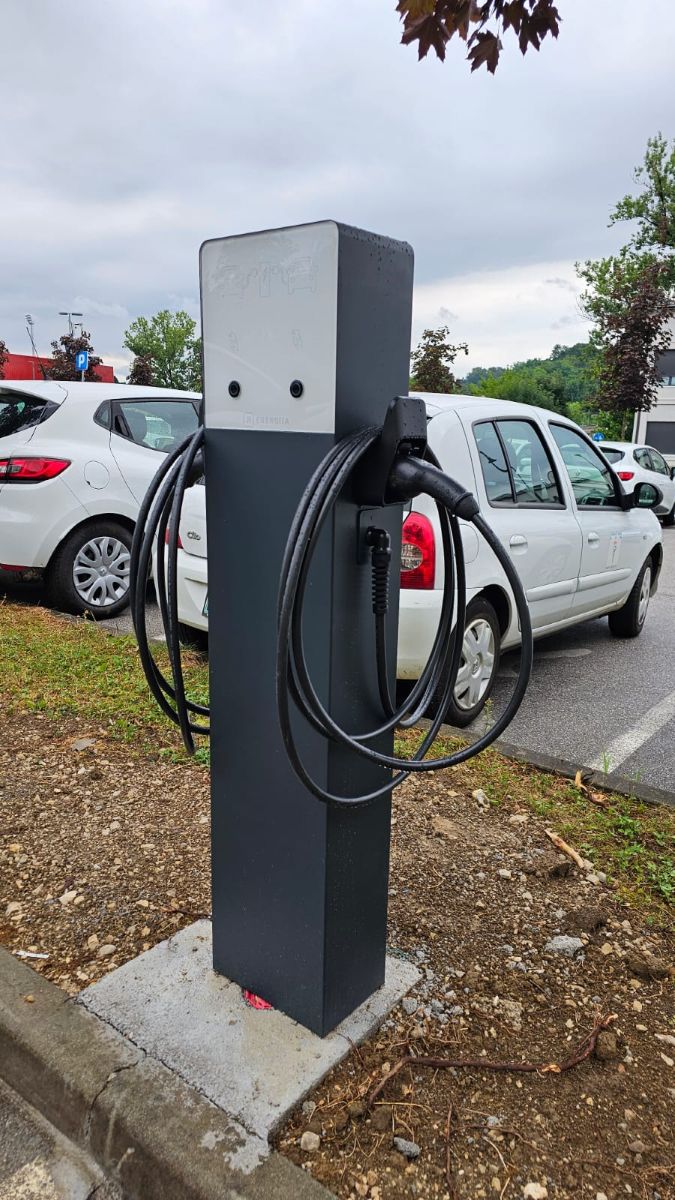
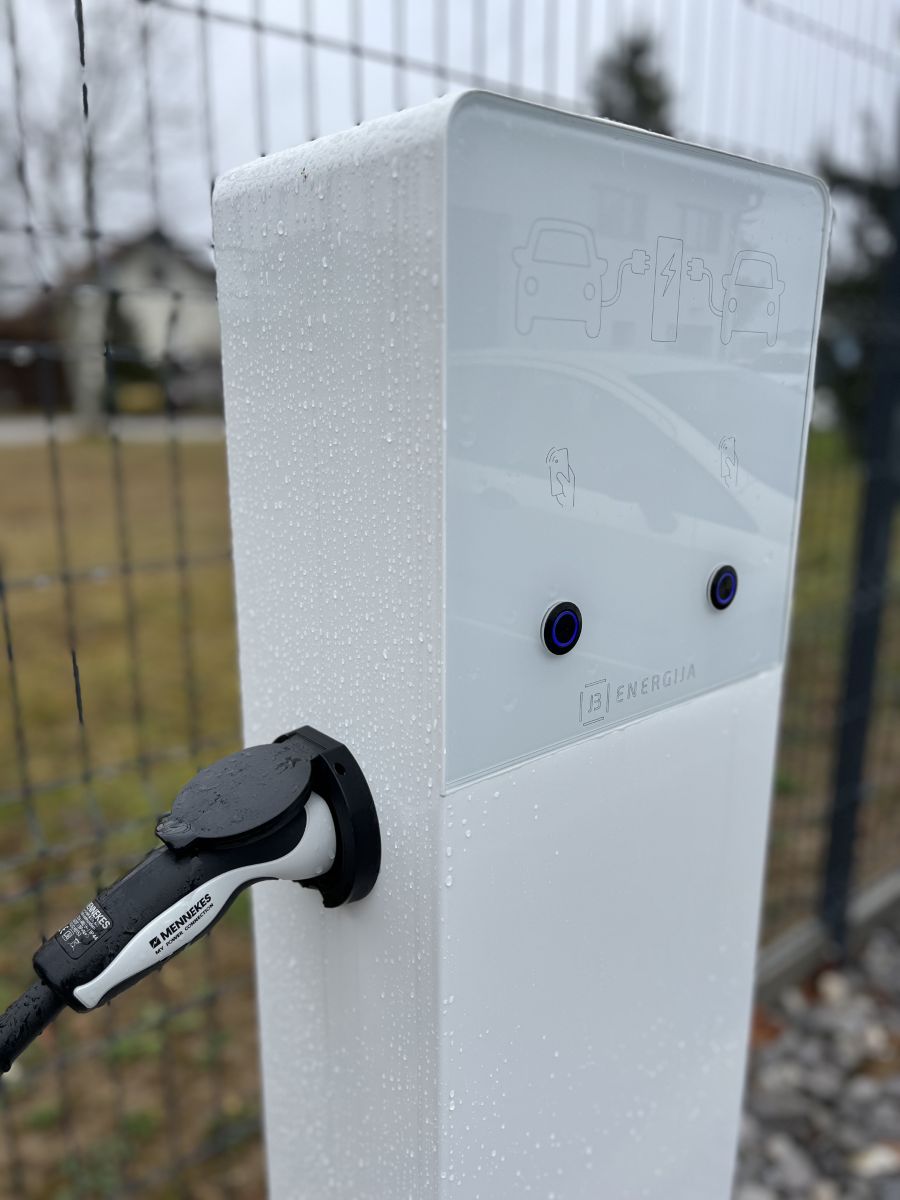
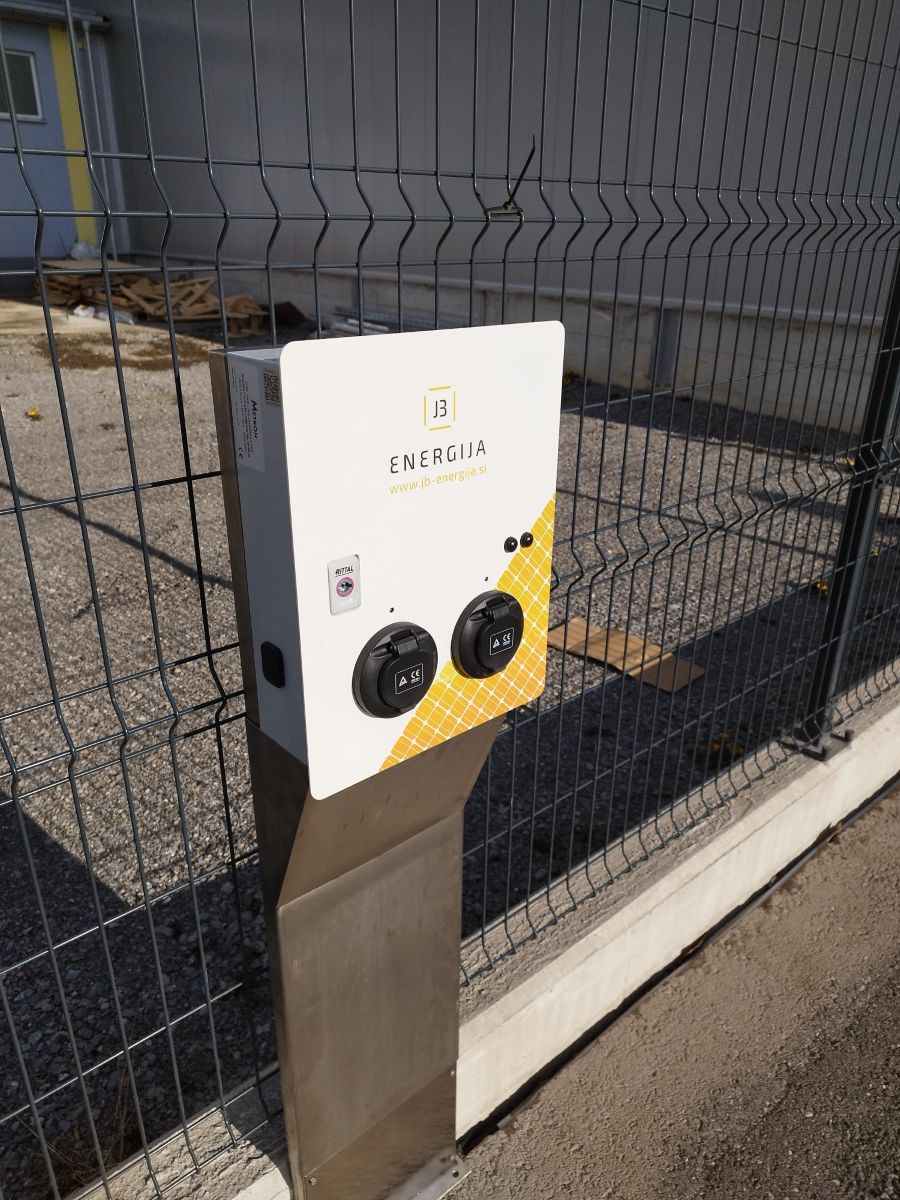
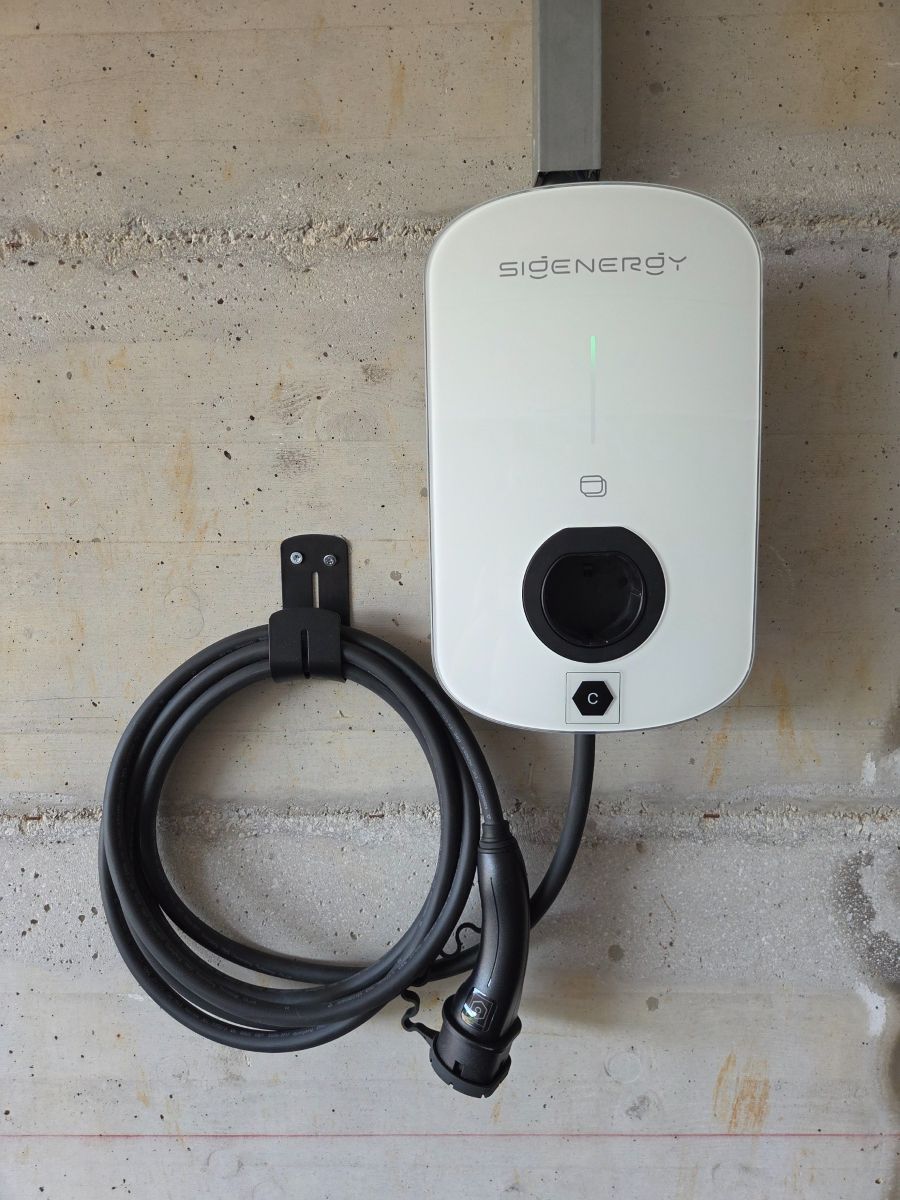
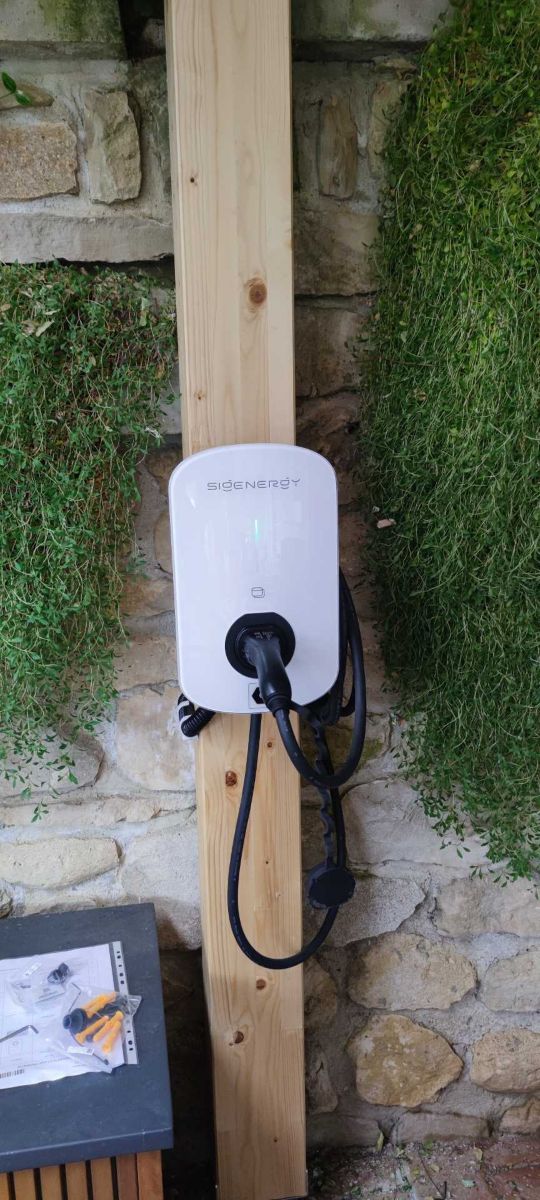
We install electric vehicle charging stations at homes, at commercial buildings and in company car parks, and we build solar carports wherever a parking area can generate electricity. We adapt each solution to the building’s grid connection and, if you wish, connect it to a solar power plant and a battery energy storage system. Take a look at some of the projects we have delivered.
Answers to frequently asked questions
Which charging station power should I choose?
For the home, the optimal power is generally 11 kW with a three-phase connection and 7.4 kW with a single-phase one; 22 kW only makes sense if both the connection and the vehicle allow it. For businesses, we determine the power and number of charging stations from the vehicle fleet and the available connection capacity.
Is the charging station compatible with my vehicle?
Yes. The European connector standard is Type 2, which is used by the vast majority of electric vehicles; for less common versions we use a suitable cable. We take your vehicle’s specifications into account in the quote.
How long does charging at home take?
It depends on the charging station’s power and the capacity of the vehicle’s battery: at 11 kW a typical vehicle charges in a few hours, usually overnight. For everyday driving, a shorter top-up is usually enough.
Do I need to increase the building’s connection capacity?
Generally not. Dynamic load management continuously adapts charging to the building’s consumption and protects the main fuses, so the charging station works on the existing connection. We check the actual situation during the site visit.
How do we handle charging billing in a company or a multi-apartment building?
With user authorisation (RFID card or app) and a back-end system that records every charging session per user.
When does a DC charging station pay off?
When vehicles need fast charging in a few dozen minutes: for vehicle fleets with high utilisation, in logistics and at locations with shorter parking times. For most businesses, the optimal combination is AC charging stations with one DC charging station.
Is the charging station suitable for outdoor installation?
Yes. We choose models with the appropriate IP rating against water and dust and resistance to temperature and UV light; an even more elegant solution is installation under a solar carport.
How long does the installation take?
A home charging station, including configuration, is generally installed in one day. For commercial systems with several charging points, we set the schedule in advance; we carry out the work without disrupting your operations.
Who looks after the charging stations after installation?
We do: annual preventive inspections, remote diagnostics and responsive servicing keep the charging stations in perfect condition. We clearly state the equipment warranty terms in the quote.