
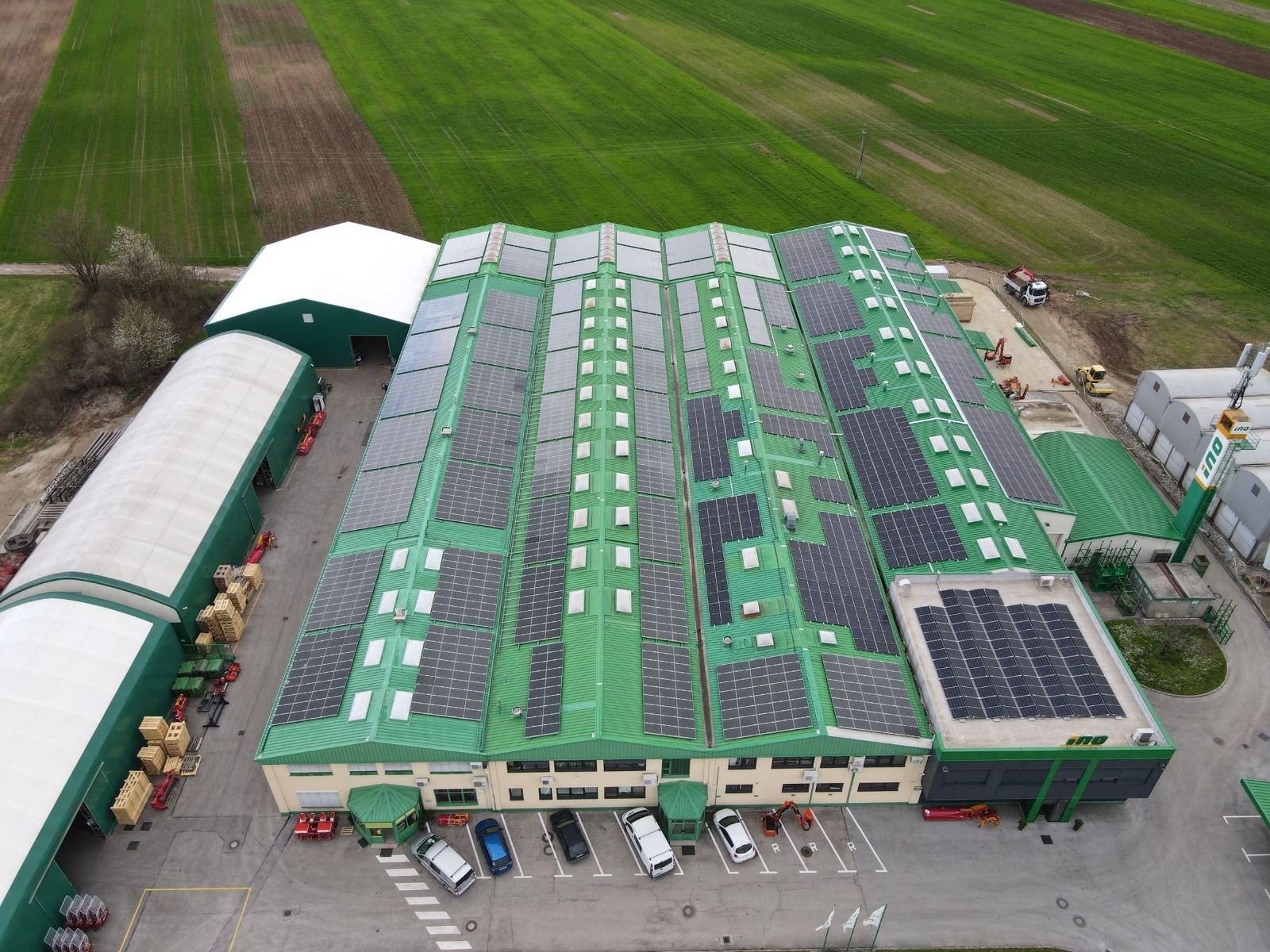
A solar power plant for an industrial building: high consumption, high savings
Industrial buildings combine large roof surfaces with high daytime electricity consumption, which is why a solar power plant with a battery energy storage system pays off fastest in industry.
- Peak shaving and billed capacity
- 15-minute consumption analysis
- Delivery without stopping production
- Structural assessment of the roof
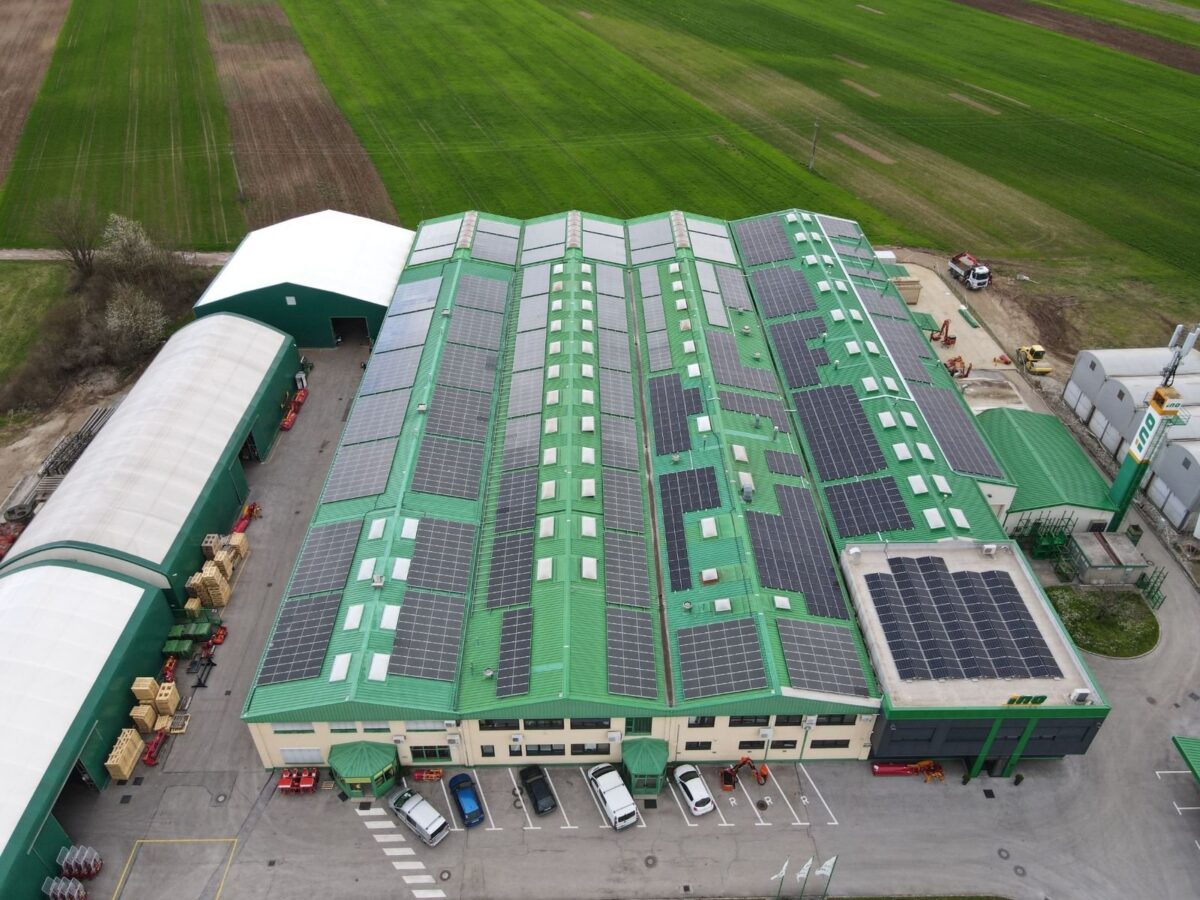
Energy generation in step with your plant
We check the roof structure or land, the 15-minute consumption profile, the grid connection and the control options. Where needed, we connect the solar power plant to a storage system. For each scenario we prepare the technical assumptions and a separate estimate of investment and operation; the economic result also depends on the tariff and the financing method.
Why does this approach make sense?
Direct use of energy
Daytime generation can cover part of the consumption while the plant is operating.
Peak management
A storage system can help limit short-term peaks if the consumption profile supports it.
A plan without unnecessary disruption
We coordinate the installation and connection phases with the safety rules and the production schedule.
Before deciding, we check the data and the building
Before deciding, we check the structure of the large roof, the connection capacity and the daily peaks. We can assess the storage system separately from the power plant, as its effect on peaks cannot be estimated without measurements.
Consumption and peaks
We collect the 15-minute consumption, the billed capacity and the operating cycles.
Structure and surfaces
We check the roof structure or the available land.
Grid connection
We align the design with the connection capacity and the control options.
Safety and production schedule
We coordinate fire safety and the installation and connection phases with the people responsible at the plant.
The power plant and the storage system have different roles
Solar power plant
It generates electrical energy. Daytime generation can cover part of the consumption while the plant is operating.
- Area, structure and grid connection
- Matching generation to the timing of consumption
- Estimate of investment and operation
Battery storage system
It helps manage energy over time and can limit short-term peaks if the consumption profile confirms it.
- Separate assessment of the effect on peaks
- Sizing based on measurements
- The result depends on the tariff and financing
From data analysis to monitoring
Data analysis
We collect consumption, billed capacity and operating cycle data.
Technical review
We check the structure, space, fire safety and grid connection conditions.
Design and delivery
We plan the installation and connection with the people responsible at the plant and set up monitoring.
Related solutions
Verifiable references
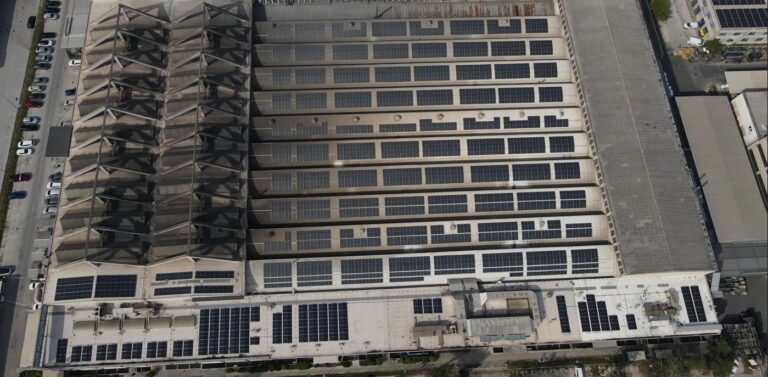
- 877,38 kWp
- Solar power plant on an industrial building
mFE LTH Castings
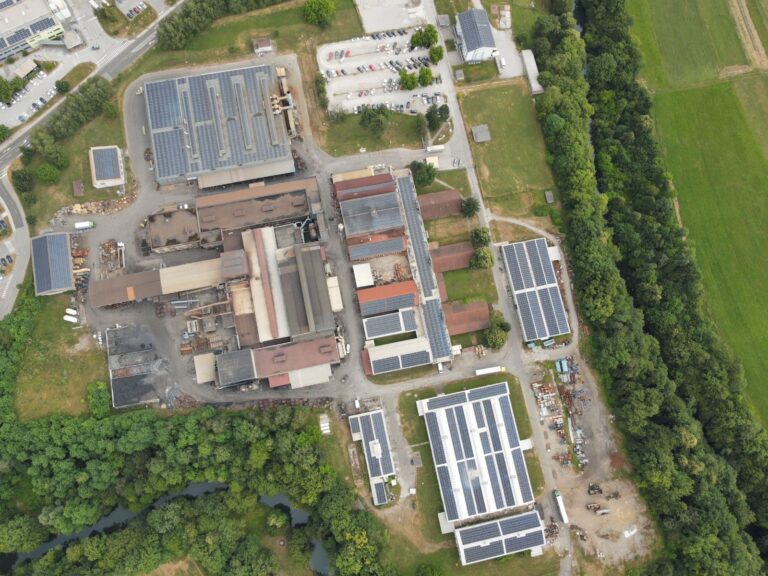
- 2.001,44 kWp
- Solar power plant on an industrial building
mFE Livar 1+2
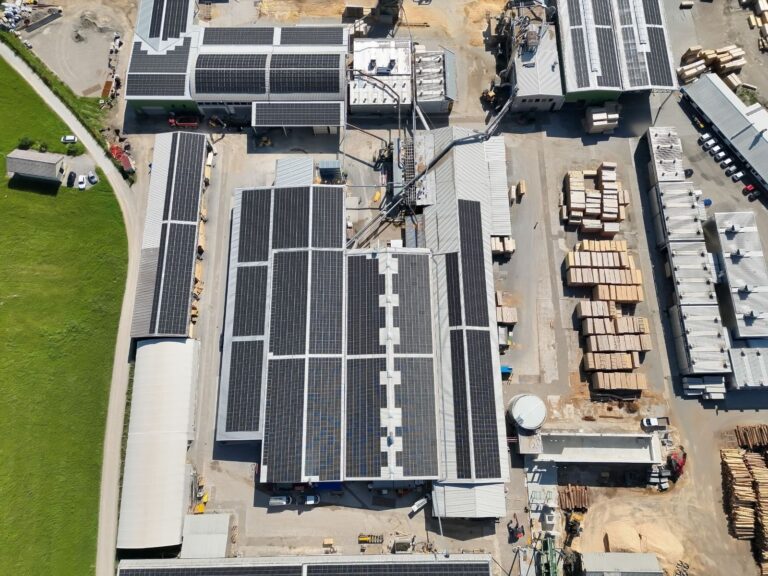
- 2.000 kWp
- Solar power plant on an industrial building
mFE MBS List
A design for your plant’s consumption
Together we review your consumption, the technical options and your plans, and set the starting points for an individual design.
Answers to frequently asked questions
Does a battery storage system always make sense?
No. Its value depends on consumption peaks, time blocks, generation and the price of the system. The decision is based on measured data.
Can you build the power plant on an existing roof?
We first inspect the condition and load-bearing capacity of the roof, the available area and the grid connection requirements. Only then do we determine the possible scope.
How do you estimate the savings?
We compare the actual consumption profile with simulated generation and any storage control. The calculation includes the assumptions and the sensitivity to price changes.